
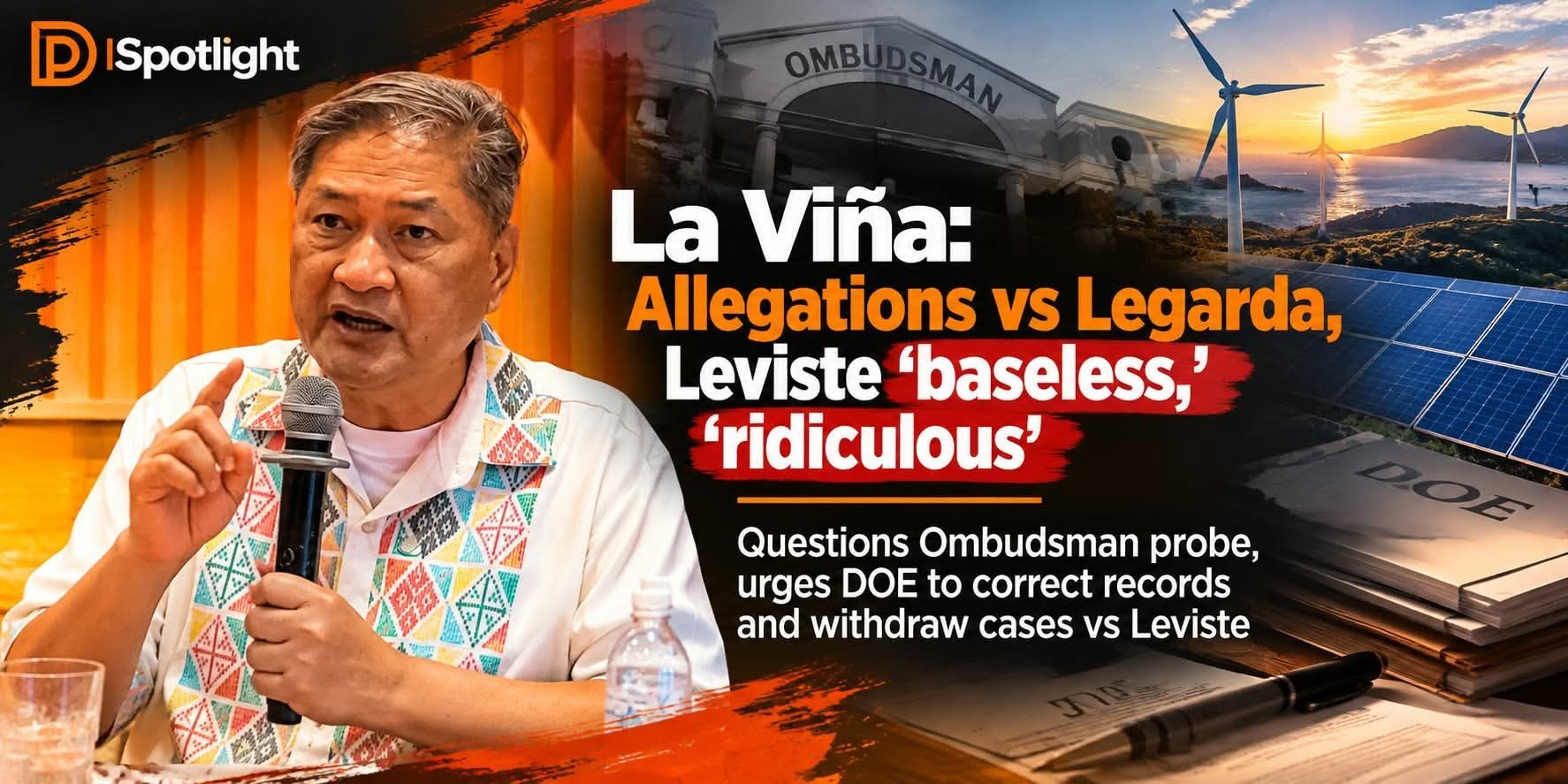






Atty. Antonio “Tony” La Viña, spokesperson of Senator Loren Legarda, rejected the allegations against the Senator and her son, Batangas First District Representative Leandro Leviste, as baseless and ridiculous, maintaining that the accusations are contradicted by the documentary and financial records.
Speaking before members of the digital media on Wednesday, La Viña challenged the Department of Energy (DOE) to review its own correspondence, distinguish the companies involved, and correct what he described as fundamental errors underlying the complaint against Legarda and Leviste. He also questioned the Office of the Ombudsman’s basis for pursuing the allegations of plunder and graft, urging it to examine the documentary evidence.
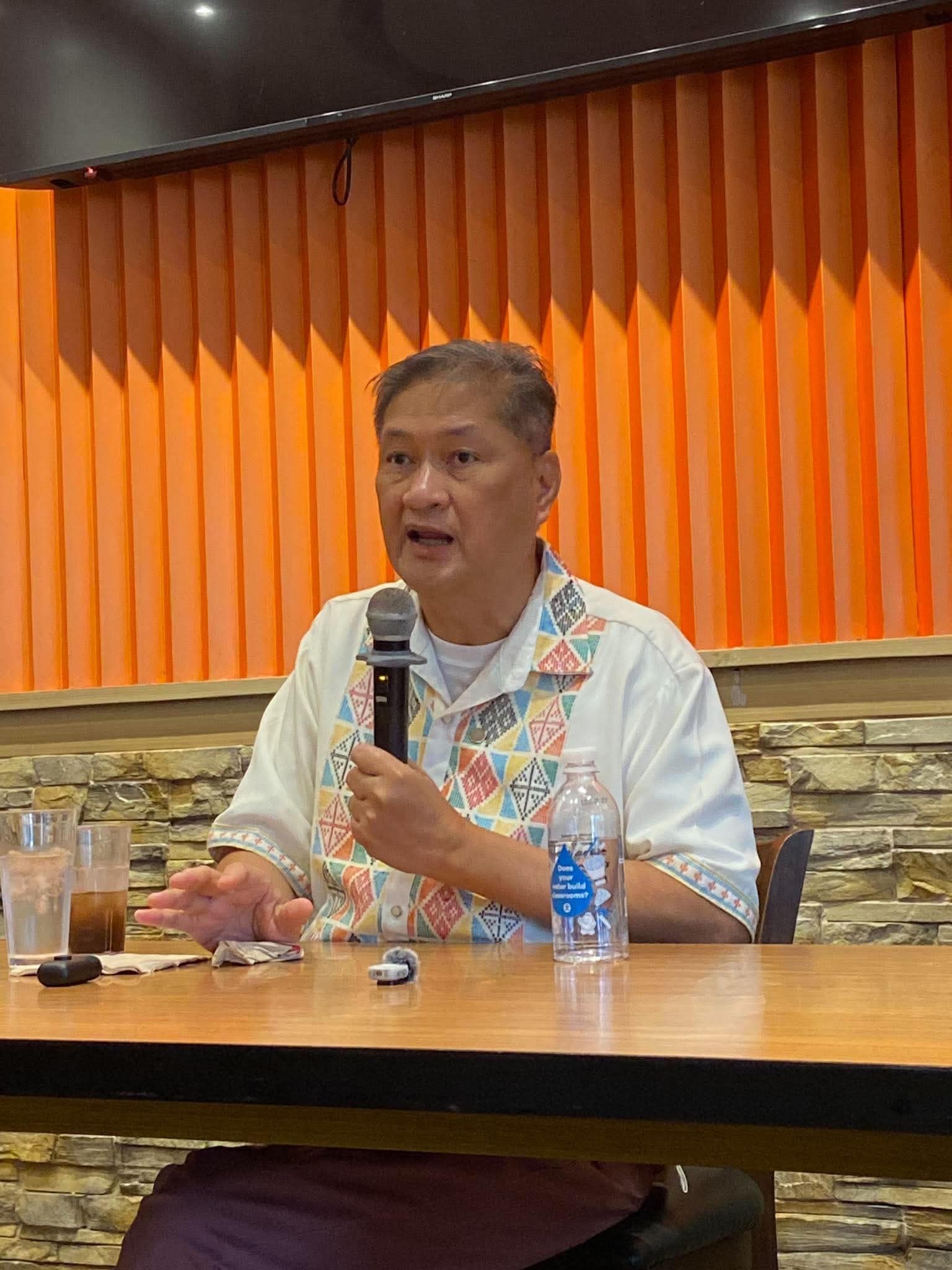
“Una sa lahat, walang pera galing sa gobyerno na kinuha at binulsa ni Senator Loren o ni Representative Leandro. Walang plunder, walang government funds na kinuha in any of the projects. Dapat very clear sa atin yan,” La Viña said.
He emphasized that the renewable energy projects under scrutiny were privately funded and that the failure of a project to proceed does not, by itself, constitute plunder or graft.
Addressing the multibillion-peso financial obligations publicly attributed to Leviste, La Viña clarified that the amounts involved different corporate entities. He maintained that the financial obligations legitimately assessed against Leviste’s companies had already been fully settled.
La Viña identified a DOE demand letter addressed to Mr. Emmanuel Rubio of SP New Energy Corporation (SPNEC), which has been majority-owned and controlled by Meralco’s generation company, MGen, since 2024. He urged the DOE to distinguish SPNEC from Solar Para sa Bayan Corporation and the other Solar Philippines companies, emphasizing that the financial obligations of one corporate entity cannot simply be attributed to another.
“Malinaw naman ang resibo na yung letter nila asking for twenty-four billion to be paid, na later binago nila to ten billion, ay doon sa kay Mr. Emmanuel Rubio at hindi kay Leandro Leviste, hindi sa kanyang mga kumpanya,” La Viña said.
He also clarified that the Solar Para sa Bayan franchise was non-exclusive and had ceased to exist under the law’s automatic revocation provision after it failed to become operational. He attributed its non-implementation to the DOE’s failure to issue the necessary implementing rules and identify the areas where the franchise could operate.

“Hindi siya na-implement dahil sa gobyerno. Hindi naglabas yung Department of Energy ng rules and regulations to implement the solar franchise. Hindi rin naglabas ang gobyerno, ang DOE, ng mga lugar kung saan siya pwedeng i-implement,” La Viña said.
He further rejected allegations that Leviste had monopolized renewable energy service contracts, explaining that the 42 solar contracts awarded to him represented only a portion of the 518 solar service contracts nationwide.
La Viña emphasized that a renewable energy service contract involves exploration and pre-development and that projects may not proceed because of land availability, grid connectivity, and other feasibility concerns. Investors bear the financial risks and must settle applicable obligations when projects do not proceed.
He questioned whether the failure of a privately funded renewable energy project to proceed could constitute plunder or graft, stressing that the nature of service contracts must be properly understood in evaluating the allegations before the Ombudsman.
La Viña separately rejected allegations linking Legarda to her son’s renewable energy ventures, maintaining that the senator neither participated in the management of Leviste’s companies nor used her public office to advance their business interests.
He stressed that Legarda’s relationship with her son does not establish her participation in the transactions or contractual obligations of his companies.
“There’s nothing in the charges of the Ombudsman na kasama si Senator Loren Legarda. So, yun, bakit siya nakasama?” La Viña said, questioning the basis for including the senator in the complaint.
He questioned the basis for including Legarda in the complaint and challenged the authorities to identify evidence establishing her personal participation in any alleged wrongdoing.
La Viña also described the proceedings against Legarda and Leviste as unfair, saying the allegations have subjected the senator to serious accusations despite what he maintained was the absence of evidence connecting her to the business transactions under scrutiny.
He confirmed that both had submitted their counter-affidavits within the prescribed period, disputing claims that their submissions had been delayed.
He urged the individuals involved and their staff to review the facts and the relevant letters, arguing that the available documentation does not support the accusations being made.
La Viña also indicated that those raising the allegations should be given an opportunity to review their claims and make corrections where necessary.
The controversy highlights the importance of examining official records, contracts, financing arrangements, and regulatory approvals when assessing claims involving large-scale renewable energy projects. La Viña’s position is clear: the accusations should be tested against the documentary record rather than accepted without verification.