






For millions of children in the most remote corners of the Philippines, the school bell isn’t a sound that echoes down a hallway—it is a goal that lies at the end of a grueling four-hour trek. These are the “last-mile” students, young learners in upland trails, island coastal paths, and post-conflict zones who must brave distance, weather, and safety risks just to reach a chalkboard. For years, this exhausting journey has been the primary reason children drop out, with four out of ten households in these areas reporting that the walk is simply too long and too dangerous to sustain.
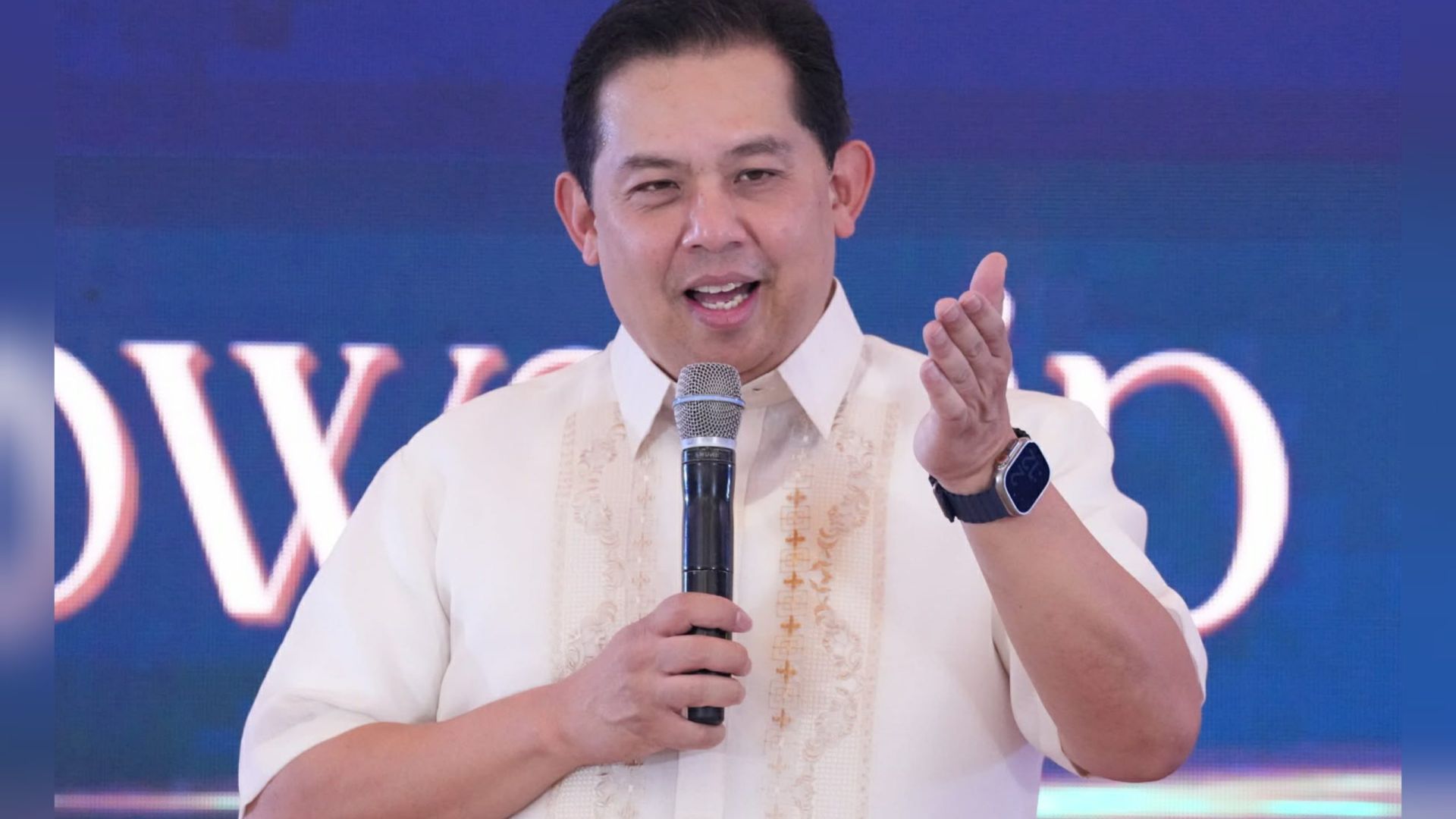
To change this reality, the House of Representatives has officially moved to bring the schools to the children, rather than the other way around. Through House Bill No. 04745, authored by former Speaker Ferdinand Martin G. Romualdez, the government is shifting its strategy from temporary pilot programs to a permanent national mandate. The goal is to identify every “blind spot” on the educational map—those geographically isolated and disadvantaged areas where school access is nearly non-existent—and build fully staffed, permanent public schools right where the people live.
This measure goes beyond just laying bricks and mortar. It recognizes that a school is only as good as the path leading to it. Therefore, the bill uniquely mandates the construction of safe access roads and pathways, ensuring that the final stretch of a student’s journey is no longer an obstacle course of mud and debris. By institutionalizing national funding for infrastructure and teacher salaries, the law ensures these schools won’t just be built, but will be sustained for generations to come.
The urgency of this move has been underscored by recent storms that washed away fragile access roads, leaving millions of learners even further behind. Lanao del Sur Representative Zia Alonto Adiong, a vocal advocate for the bill, notes that this is especially critical for communities recovering from conflict. He argues that true rebuilding is impossible if the next generation remains out of reach of an education. For these families, the schoolhouse is more than a building; it is a signal that their community is finally being integrated into the country’s future.
With the House of Representatives giving its final approval, the focus now shifts to the Senate. The policy is ready, the need is documented, and millions of students are waiting. As the measure awaits its final hurdles, the hope is that very soon, the only thing a child in a remote barangay will have to worry about is their homework, not whether they have the strength to survive the walk to get it.